

The Importance of Good Sanitation
From viruses to bacteria, our lives are filled with exposure to germs. While some of these germs are relatively harmless to people, others, like the novel coronavirus can create health risks especially among certain at-risk demographics. These days, even clean freaks are getting a run for their money. In order to keep the coronavirus at bay, it’s important to disinfect everything, sometimes multiple times per day.
The CDC says that it’s important to use EPA-registered disinfectants that have been vetted for their effectiveness and allow enough contact time on the surface for the disinfectant to work and to disinfect everything. Actually, it’s no secret at all that there’s an easy and effective way to completely kill germs on all surfaces is simply by using common household chlorine bleach, or Sodium Hypochlorite. Both the Centers for Diseases Control and Prevention (CDC) and the World Health Organization (WHO) recommend using a bleach solution as one way to disinfect contaminated areas.
PREVENTING CROSS CONTAMINATION
Microorganisms can flourish on most surfaces and can serve as reservoir of microbial contamination. When hands come into contact with these surfaces, microbial agents can then be transferred to the nose, mouth, eyes via indirect contact transmission. No-touch technology dispensing solutions are one way to help reduce the spread of germs. By eliminating one potential source of germs, we can help reduce their spread.
It is intuitive to think that the less a potentially contaminated surface is touched, the better, so the advent of no-touch dispensers is an important way to reduce the opportunities for cross contamination and hand carriage of pathogenic microorganisms. As experts debate the role inanimate objects play in the transmission of infectious agents, few would doubt that the contamination of environmental surfaces is a major issue.
Infection prevention professionals believe that no-touch technology can have an impact on the prevention of cross-contamination and helping to create a culture that embraces hand hygiene. The development of no-touch dispensers is a positive step toward reducing the possibility of hand contamination because your hands never touch the dispenser.
As concerns about cross-contamination increase among infection prevention professionals, no-touch dispensers have improved sanitation for an entire generation that has grown up around this kind of touchless environment and making it the standard to decrease infections.
Can Bleach Disinfect Everything?
Bleach not only kills germs and bacteria on surfaces but can also be a critical commodity in times of shortages when it comes to purifying and sanitizing drinking and bathing water. Bleach kills 99 percent of disease-causing germs and you can also use bleach to create a home-made disinfecting solution, to sanitize your drinking water, and even to purify your bath water and kill germs that might permeate your skin. Keep in mind, however, that bleach is slightly corrosive and is an oxidizer (whitener), and choose surfaces to disinfect with bleach appropriately.
Bleach is the Best Disinfectant
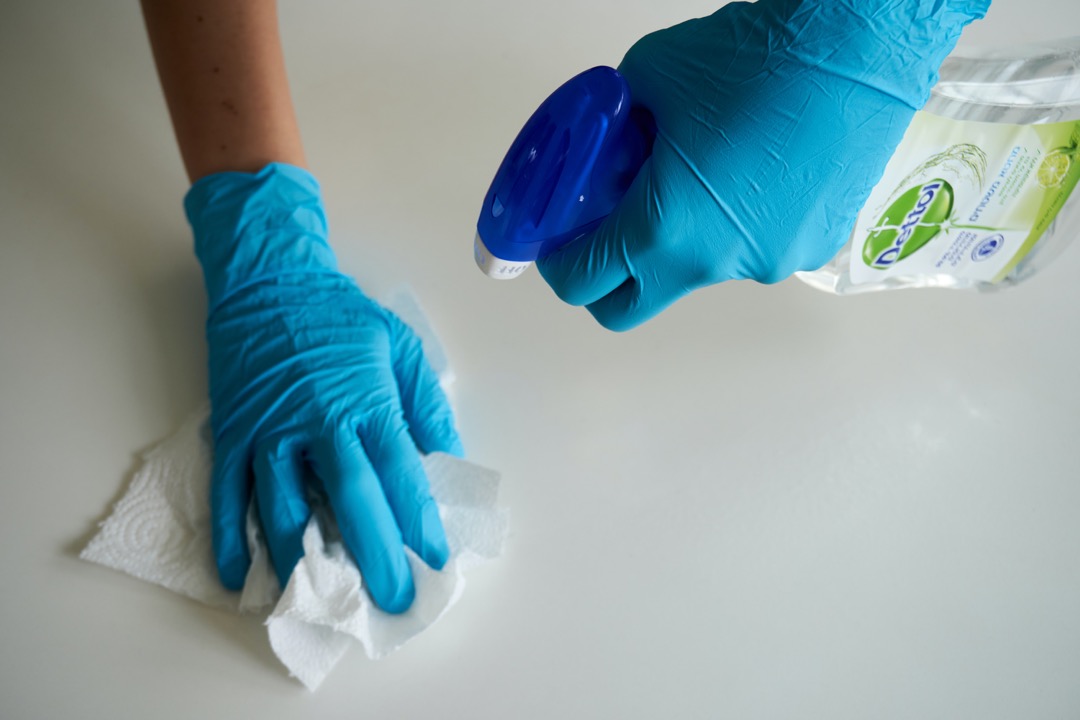
Clean, disinfect, and deodorize with the power of Bleach. Great for cleaning and disinfecting around your home, school, and office. It’s surprising how many people don’t think of bleach or are concerned that it might not be effective to disinfect everything. But sometimes the simplest solutions are the best and, in this case, a carefully prepared bleach solution turns out to be the best disinfecting solution on the planet! You see, when sodium hypochlorite comes in contact with viruses, bacteria, mold or fungi, it oxidizes molecules in the cells of the germs and kills them. Scientists also believe that it breaks down their cell walls. Bleach is the most commonly used disinfectant in the world and kills 99.9% of household germs and bacteria. Just mix with water at recommended doses to create a disinfecting solution for hard surfaces recommended the World Health Organization’s (WHO) to stop the spread of infectious disease.
Disinfecting Solid Surfaces with a Bleach Solution
The CDC Disinfectant Recipes: Based on the CDC’s recommendation and the percentage of sodium hypochlorite for various bleach solution applications that can be used if appropriate for the surface.
WHAT YOU’LL NEED
Bleach (Sodium Hypochlorite)
Rubber Gloves
Clear Water
Measuring Devise
Opaque Container
- Before disinfecting a surface, you should clean the area of any surface dirt, oils, or buildups.
- Mix bleach into water at the rate of at least 1000 ppm sodium hypochlorite, or a concentration of 5%–6% and apply evenly to all hard surfaces
- Maintain a contact time of at least 1 minute and be sure to allow proper ventilation during and following the application.
Safe Use for Bleach Disinfecting Solutions
- Never mix bleach or bleach solutions with ammonia or any other cleanser or detergents
- Avoid touching the eyes. If bleach gets into the eyes, immediately rinse with water for at least 15 minutes and consult a doctor.
- Undiluted bleach should be stored in an opaque container in a dry, cool (50 and 70 degrees) and shaded place out of direct sunlight and out of the reach of children.
- Check to ensure the product is not past its expiration date. Temperature is the primary factor affecting how long bleach remains active.
- Sodium hypochlorite decomposes with time. To ensure its effectiveness, purchase recently produced bleach and avoid over-stocking. Bleach more than one year old should be recycled.
- Avoid using bleach on metals, wool, nylon, silk, dyed fabric and painted surfaces.
- For effective disinfection, diluted bleach should be used within 24 hours after preparation.
>>>>> IF YOU LIKE PLEASE
SHARE WITH OTHERS >>>>>
What Can You Do If There’s a Shortage of Disinfectants in Your Area
Have you worried about having sufficient disinfecting supplies when the next wave or next pandemic hits and produces a supply chain disruption again? But with panic-buying that wipes out store shelves clean of commercial disinfectants; you might not have the usual products on hand. When bleach is unavailable or too expensive, being able to manufacture it ourselves at home is the very best defense mechanism we have. Would you like to be prepared and take control of at least one aspect of your needs by having an unlimited supply of a WHO and CDC endorsed disinfectant solution? A disinfectant that you can make yourself safely, quickly and with no mess?
Now, you can make your own using our BQ Bleach-Maker Sprayer and make your own household grade disinfectant by simply adding a small amount of salt to water and in 6 short minutes the BQ Bleach-Maker will make a ready to use disinfectant! Really, it’s that simple.
No mess and your hand don’t need to come in contact with the disinfectant solution. Anytime, anywhere, on your schedule, our on-demand disinfectant maker lets you take control and make your own disinfectant at home or at the office, school, or institution.
1,2,3: Just add water and salt. Wait for 5-6 minutes and like magic you have made your own safe, homemade bleach disinfectant, effective in killing 99.9% of germs for a sanitary environment.


The BQ Bleach Maker Sprayer
Always have a steady supply of Bleach disinfectant (sodium hypochlorite) with the BQ Bleach Maker Sprayer. Portable, take it with you anywhere to sanitize, disinfect and deodorize surfaces at home or on -the-go.
Bleach-Maker Sprayer Technology
The core part of the Bleach-Maker Sprayer generator Is an electrolytic device (an electrode and a power supply) which generates sodium hypochlorite solution in about 6 minutes from water and a small amount of common table salt. This proven process has the advantages of easy access to raw materials (salt and water), stable operation (standard USB Charging cable), and pure products.
Chemical reaction process:
NaCL+H2O=NaCLO+H2↑
salt • water • electric = sodium hypochlorite • hydrogen
What do you think? Are you ready to be prepared for the next virus pandemic?
Private Label customization and OEM branding are no problem with our product development partner, Bright of America®